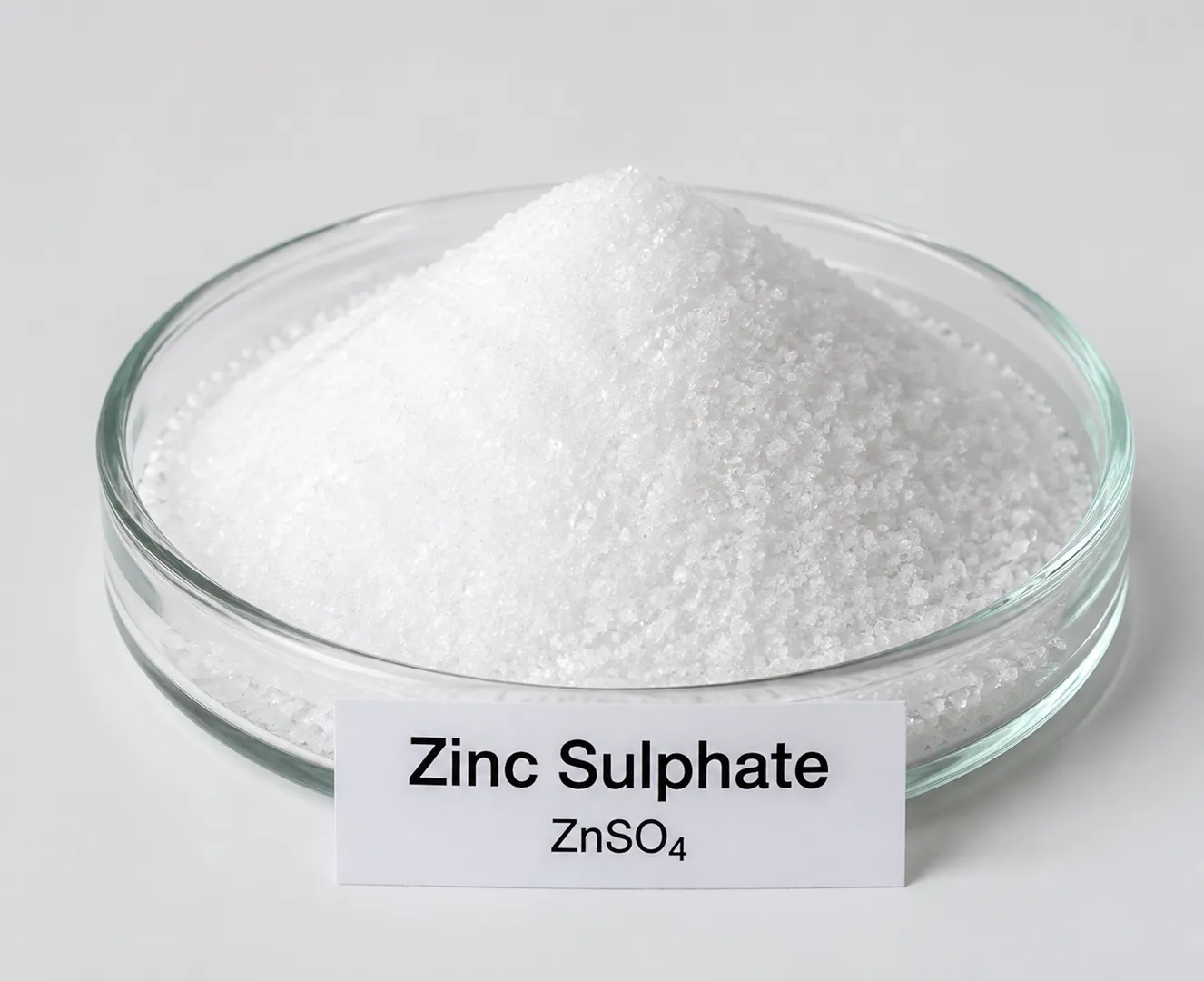
Micronutrients are often required in smaller quantities than primary nutrients, but their impact on crop health is equally important. Among these essential micronutrients, Zinc Sulphate plays a vital role in supporting plant growth, improving nutrient utilization, and enhancing overall productivity.
Many farmers and fertilizer manufacturers across Vapi, Gujarat, use Zinc Sulphate to correct zinc deficiencies and improve crop performance. However, selecting the correct grade is just as important as applying the right dosage.
Why Zinc Matters in Agriculture
Zinc is an essential micronutrient involved in numerous plant functions, including:
- Enzyme activation
- Protein synthesis
- Growth hormone production
- Root development
- Chlorophyll formation
- Improved nutrient absorption
Without sufficient zinc, plants cannot perform these processes efficiently, resulting in poor growth and reduced yields.
Common Signs of Zinc Deficiency
Recognizing zinc deficiency early helps prevent significant production losses.
Typical symptoms include:
- Yellowing between leaf veins
- Stunted plant growth
- Smaller leaves
- Delayed flowering
- Reduced fruit formation
- Weak root systems
- Lower crop yield
Different crops may display these symptoms differently, making proper diagnosis important.
Crops That Frequently Require Zinc Sulphate
Zinc Sulphate is commonly applied to:
- Rice
- Wheat
- Maize
- Cotton
- Sugarcane
- Citrus
- Vegetables
- Oilseed crops
- Pulses
- Fruit orchards
It is suitable for both soil application and foliar spraying when recommended by agricultural experts.
Benefits of Using Zinc Sulphate
Correct application of Zinc Sulphate offers several advantages.
Improved Plant Growth
Healthy zinc levels promote vigorous vegetative growth and stronger root development.
Better Nutrient Efficiency
Plants utilize other nutrients more effectively when adequate zinc is available.
Increased Crop Quality
Proper micronutrient nutrition contributes to better grain filling, fruit development, and overall crop quality.
Higher Yield Potential
Balanced nutrition often results in improved productivity and more uniform crop growth.
How to Select the Right Zinc Sulphate
Procurement managers and fertilizer manufacturers should evaluate:
- Product purity
- Zinc concentration
- Water solubility
- Packaging quality
- Batch consistency
- Storage stability
- Supplier reliability
Quality products deliver more consistent field performance and reduce the likelihood of application issues.
Storage Recommendations
To preserve product quality:
- Store in a dry environment.
- Protect bags from moisture.
- Keep containers sealed after opening.
- Avoid prolonged exposure to direct sunlight.
- Follow manufacturer handling guidelines.
Proper storage helps maintain chemical stability and extends shelf life.
Why Reliable Supply Matters
Agricultural businesses often experience seasonal demand fluctuations. Reliable suppliers capable of maintaining inventory and delivering bulk quantities on time help distributors and manufacturers avoid shortages during peak demand periods.
Shiv Chemicals supplies Zinc Sulphate together with a wide range of inorganic, agricultural, and industrial chemicals for customers across India. Buyers comparing suppliers frequently review specifications available on shivchemicals.org to ensure the selected product matches their operational requirements.
Final Thoughts
Zinc Sulphate is an essential micronutrient fertilizer that supports healthy crop development, improves nutrient utilization, and enhances productivity. Identifying deficiency symptoms early and sourcing high-quality material from a dependable supplier allows growers and manufacturers to achieve more consistent agricultural outcomes while maintaining long-term soil fertility and crop health.
Keywords