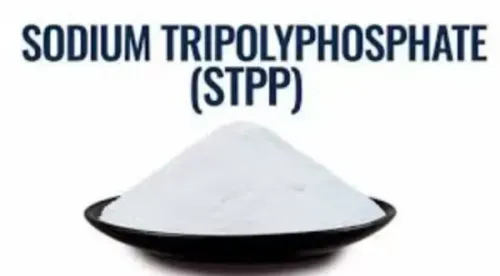
Sodium Tripoly Phosphate (STPP) is a versatile industrial chemical widely used in detergents, ceramics, food processing, water treatment, textile manufacturing, and several other industries. Its ability to improve cleaning efficiency, stabilize formulations, and soften water makes it an important raw material for manufacturers across different sectors.
Industrial buyers in Vapi, Gujarat, often evaluate multiple factors before sourcing STPP in bulk, including product purity, consistency, and supplier reliability. Understanding these considerations helps businesses make informed purchasing decisions and maintain uninterrupted production.
What Is Sodium Tripoly Phosphate (STPP)?
Sodium Tripoly Phosphate is an inorganic compound known for its excellent sequestration, emulsification, and dispersion properties.
Depending on the intended application, it is available in different grades, including:
- Industrial grade
- Food grade
- Detergent grade
- Ceramic grade
Selecting the appropriate grade ensures compatibility with specific manufacturing processes.
Major Industrial Applications
Detergent Manufacturing
STPP is widely used in detergent formulations because it softens water and improves cleaning performance by preventing mineral deposits from interfering with surfactants.
Food Processing
Food-grade STPP is used in approved food applications to help retain moisture, improve texture, and maintain product quality in accordance with applicable food safety regulations.
Water Treatment
Industrial facilities use STPP to control scale formation and support efficient water treatment processes.
Ceramic Industry
Manufacturers use STPP as a dispersing agent during ceramic production to improve processing consistency.
Textile Processing
In textile manufacturing, STPP supports various processing operations by improving water quality and formulation stability.
Benefits of Using High-Quality STPP
Choosing premium-quality Sodium Tripoly Phosphate provides several operational advantages.
Improved Manufacturing Consistency
Uniform chemical composition helps manufacturers maintain stable production processes.
Better Product Performance
High-purity STPP contributes to more reliable formulation performance across different industrial applications.
Efficient Processing
Good dispersion and solubility help improve production efficiency while reducing processing challenges.
Longer Storage Stability
Quality products remain stable when stored correctly, reducing material loss during warehousing.
Buying Checklist
Before finalizing a supplier, procurement managers should evaluate:
- Product purity
- Grade suitability
- Packaging quality
- Batch consistency
- Moisture content
- Quality certifications
- Bulk availability
- Technical documentation
Reviewing these factors helps ensure consistent product quality and reliable long-term supply.
Storage Best Practices
To maintain product integrity:
- Store in a cool and dry location.
- Protect from humidity.
- Keep containers tightly sealed.
- Avoid contamination during handling.
- Follow manufacturer storage recommendations.
Proper storage helps preserve product quality throughout its shelf life.
Why Supplier Selection Matters
Manufacturers rely on uninterrupted raw material supplies to meet customer commitments and production targets. A reliable supplier offers consistent quality, dependable logistics, and technical support that simplifies procurement and minimizes operational risks.
Shiv Chemicals supplies Sodium Tripoly Phosphate together with a comprehensive portfolio of industrial, inorganic, water treatment, fertilizer, and specialty chemicals. Procurement professionals often refer to product information available on shivchemicals.org while comparing sourcing options for bulk industrial requirements.
Final Thoughts
Sodium Tripoly Phosphate remains an essential chemical across numerous industries because of its versatility and dependable performance. By selecting the right grade and partnering with a trusted supplier, businesses can improve manufacturing efficiency, maintain product consistency, and support long-term operational success.
Keywords