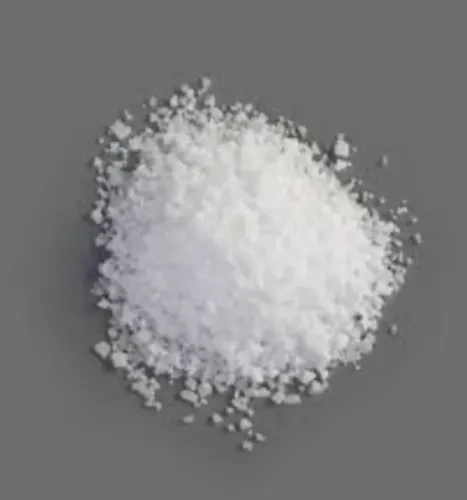
Sodium chloride becomes a process chemical once it is dissolved, purified, blended, or applied under controlled conditions. Its value ranges from regenerating water-softener resin to feeding chlor-alkali cells, but the correct use depends on brine concentration, contaminants, grade, and disposal requirements. By the end, you will be able to match each application with the specification and handling controls it needs.
Key takeaways
- Match salt purity and particle size to the process.
- Use brine-grade salt to protect chlor-alkali membrane systems.
- Check insoluble matter, moisture, calcium, magnesium, and iron levels.
- Request a certificate of analysis and consistent batch documentation.
What sodium chloride does in industrial and agricultural processes
Sodium chloride becomes a raw material, process aid, regenerant, or finished ingredient depending on the process. Industrial sodium chloride uses range from chemical manufacture and water treatment to textiles, leather, roads, drilling, laboratories, and pharmaceutical production.
| Role | What sodium chloride does | What the process requires |
|---|---|---|
| Raw material | Purified brine is electrolyzed into chlorine, caustic soda, and hydrogen: 2NaCl + 2H₂O → Cl₂ + 2NaOH + H₂ | High-purity salt, controlled calcium, magnesium, sulfate, iron, insolubles, and brine concentration |
| Regenerant | In water softeners, sodium replaces calcium and magnesium on cation-exchange resin | Clean salt, measured brine, backwash and rinse cycles, and protection against undissolved salt entering the valve |
| Process aid | Salt supports textile dye uptake, preserves hides before tanning, suppresses dust, deices roads, and adjusts drilling-fluid density | The correct particle size, moisture, purity, application rate, and equipment |
Sodium chloride brine uses also include chemical synthesis, heat-storage systems, laboratory calibration or reagent work, and pharmaceutical formulations. Salt curing is not tanning: it removes water from hides, limits bacterial activity, and creates saline effluent and solid waste.
Prewetting deicing salt reduces bounce and improves pavement adhesion, but liquid equipment and chloride loading increase. Chloride survives biological wastewater treatment and ordinary clarification, so source control, brine reuse, desalination, ion removal, or controlled discharge is required.
Agriculture encounters salt mainly through chemical manufacture, irrigation and drilling operations; excess chloride can damage crops and soil structure.
How salt regenerates water-softener resin
Sodium chloride restores cation-exchange resin by reversing the hardness exchange. A concentrated sodium brine forces sodium ions back onto resin sites, displacing calcium and magnesium; the hardness ions leave in the drain rather than remaining on the beads.
- Check the softener’s rated salt dose and regeneration volume before starting. An undersized dose leaves hardness on the resin, while excess salt increases salt discharge without improving treated-water quality.
- Prepare the brine in a clean brine tank using water and the specified sodium chloride. Keep the salt dry and free from mud, insoluble grit, and foreign chemicals; undissolved material can block the brine valve or injector. Do not assume any generic salt is suitable for the equipment.
- Run the backwash cycle first. It expands the resin bed and removes trapped sediment, so brine can contact the beads evenly.
- Draw the brine slowly through the resin. This contact period performs cation-exchange resin regeneration; calcium and magnesium travel to drain with concentrated sodium and chloride.
- Follow with a slow rinse, then a fast rinse until outlet water meets the softener’s operating specification. Skipping rinsing sends salty water into service.
- Inspect the tank and brine line after each cycle. Maintain a loose salt bed, remove bridging, and prevent standing water or salt crust from stopping brine preparation.
Water softening does not destroy chloride. Segregate regeneration wastewater and check local discharge limits before sending it to a septic system, sewer, or surface drain.
Why purified brine feeds chlor-alkali and other chemical operations
A membrane-cell plant needs purified sodium chloride brine because calcium, magnesium, iron, suspended solids, and excess sulfate can foul or damage its ion-exchange membrane. The result is higher electrical consumption, unstable operation, and contamination of chlorine or caustic soda. Purification combines precipitation, clarification, filtration, and polishing ion exchange before chlor-alkali production.
The membrane cell electrolyses the brine to make three streams: chlorine, sodium hydroxide, and hydrogen. The overall reaction is 2NaCl + 2H2O → Cl2 + 2NaOH + H2.
Brine concentration controls plant throughput and product strength; a feed that is too dilute increases water-handling and evaporation demand, while poorly controlled concentration can cause crystallisation or uneven current flow.
Check these points before choosing salt or prepared brine:
- For chemical synthesis, match sodium chloride purity, moisture, insolubles, particle size, and sulfate limits to the reaction. Vacuum salt, solar salt, and rock salt are not interchangeable by name alone.
- For drilling fluids, set salinity and density against the formation, shale or clay sensitivity, cement system, and corrosion plan. Chloride brines can reduce swelling, yet they can complicate disposal, reuse, or formation compatibility.
- Require calcium, magnesium, iron, sulfate, and suspended-solids results when the brine will enter a membrane cell or another sensitive process.
- Specify whether you are buying solid salt or prepared brine; concentration, temperature, and dilution water change the process result.
Where salt supports textiles, leather, roads, heat systems, and laboratories
Sodium chloride changes from a raw material to a process aid depending on its purity, particle size, and dissolved impurities. The same chemical that suits a highway may contaminate a pharmaceutical batch or textile dye bath.
- Textile dyeing salt helps push reactive dyes from the bath onto cotton fibres. Calcium, magnesium, insolubles, and anti-caking additives can affect shade uniformity, so textile dyeing salt must match the dye-house specification.
- Leather salt curing draws moisture from hides and slows bacterial deterioration before tanning. Leather salt curing fails when salt coverage is uneven or the hides remain warm and wet.
- Road de-icing works through brine formation. The sodium chloride-water eutectic is about 23.3% salt by mass and freezes near −21°C, but dry rock salt loses effectiveness as pavement temperature falls because melting needs heat. Prewetting reduces bounce and improves adhesion.
- Dust control uses brine to bind fine soil on unpaved roads. Apply it carefully: excess chloride can damage vegetation, vehicles, and nearby water.
- Thermal energy storage salt can support high-temperature systems, but molten sodium chloride melts near 801°C and demands corrosion-resistant equipment. It is not interchangeable with lower-melting nitrate “solar salt.”
- Laboratory sodium chloride provides controlled ionic strength, conductivity checks, and reagent solutions. Use a stated reagent grade when trace metals or insolubles could alter results.
- Pharmaceutical production uses purified sodium chloride in saline, isotonic formulations, and process solutions. Sterility, endotoxin limits, and compendial testing matter more than the generic word “salt.”
How to buy sodium chloride for a specific process
Choose sodium chloride by the process limit, not by the word “salt” on the bag. A low sodium chloride assay can disrupt brine strength, while excess calcium, magnesium, sulfate, or insolubles can foul membranes, resin, pumps, or laboratory results.
| Process or grade | Compare before ordering | Why it matters |
|---|---|---|
| Chlor-alkali or chemical brine | Assay, moisture and insoluble matter, calcium, magnesium, sulfate, and iron | Trace contaminants increase purification load and can damage electrolyzer systems |
| Textile or water-treatment use | Dissolution rate, particle size and bulk density, anti-caking additives, and insolubles | Slow dissolution or additives can alter dosing and fabric or water quality |
| Pharmaceutical or laboratory use | Pharmaceutical grade I.P. Pass status, identity, assay limits, and a current certificate of analysis | A process chemical is not automatically suitable for a controlled formulation or test |
| Road deicing or dust control | Rock-salt analysis, moisture, fines, particle size, and packaging condition | Wet, compacted material spreads poorly and dissolves unevenly |
Ask the supplier for the lot number, production date, test method, and specification sheet, then match each result to your equipment’s limit. Confirm whether you are buying dry crystals or prepared brine, and specify the required concentration.
Shiv Chemicals can add practical value by matching a salt grade and particle profile to your process, checking documents against the intended use, and arranging packaging that remains dry during storage and transport. Do not accept “pure” as a substitute for numerical limits.
Frequently asked questions
What are the main industrial and agricultural uses of sodium chloride?
Sodium chloride serves as a process aid, raw material, regenerant, and ingredient in chemical manufacture, water treatment, textiles, leather processing, roads, drilling, laboratories, agriculture, and pharmaceutical production.
How does sodium chloride regenerate water-softener resin?
A concentrated brine solution restores sodium ions to exhausted ion-exchange resin, displacing captured calcium and magnesium before the resin is rinsed and returned to service.
Why does chlor-alkali production require purified brine?
Chlor-alkali cells use purified brine to produce chlorine, caustic soda, and hydrogen. Calcium, magnesium, iron, and suspended solids can foul equipment or damage membranes.
What should you compare when buying industrial sodium chloride?
Compare sodium chloride purity, particle size, moisture, insoluble matter, calcium, magnesium, iron, packaging, batch consistency, and the supplier’s certificate of analysis.
When is sodium chloride unsuitable for a process?
Choose another grade when the salt contains impurities, additives, or particle sizes that interfere with membranes, resin regeneration, laboratory analysis, pharmaceutical production, or a specified formulation.