Titanium Dioxide (TiO₂) is one of the most widely used inorganic pigments in the world. Its exceptional brightness, opacity, and durability make it an essential raw material for industries such as paints, coatings, plastics, paper, inks, rubber, and construction materials. Selecting the appropriate grade is critical because it directly influences product appearance, performance, and manufacturing efficiency.
Manufacturers in Rajkot, Gujarat, increasingly look for dependable suppliers that can provide consistent-quality Titanium Dioxide for large-scale production without compromising on purity or supply reliability.
What Is Titanium Dioxide?
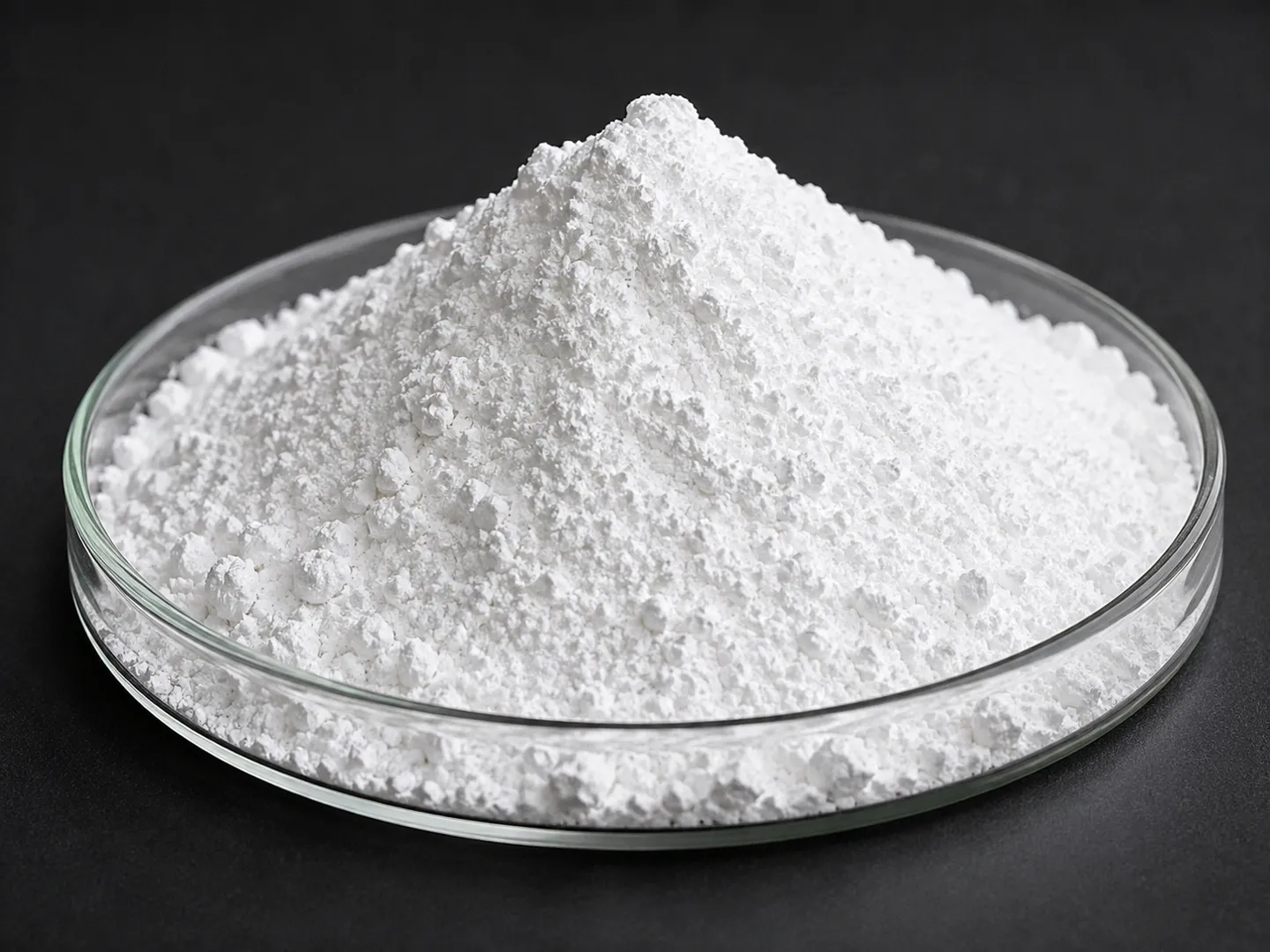
Titanium Dioxide is a naturally occurring oxide of titanium processed into a fine white pigment. It is valued for its high refractive index, excellent whiteness, UV resistance, and strong covering power.
Depending on the application, Titanium Dioxide is available in different grades designed to meet specific industrial requirements.
Common industries that use Titanium Dioxide include:
- Paint and coatings
- Plastic manufacturing
- Paper production
- Printing inks
- Rubber products
- Construction materials
- Adhesives and sealants
- Masterbatch manufacturing
Its versatility makes it one of the most important industrial pigments worldwide.
Why Titanium Dioxide Is Preferred
Manufacturers choose Titanium Dioxide because it delivers multiple performance benefits.
Superior Opacity
Titanium Dioxide provides excellent hiding power, allowing products to achieve better coverage with less pigment.
High Brightness
Its brilliant white appearance enhances the visual quality of paints, plastics, and finished industrial products.
UV Resistance
The pigment helps improve resistance to ultraviolet light, extending the life of coated surfaces and outdoor applications.
Chemical Stability
Titanium Dioxide remains stable under various processing conditions, making it suitable for demanding industrial environments.
Choosing the Right Grade
Different industries require different performance characteristics.
Before purchasing Titanium Dioxide, buyers should consider:
- Required whiteness
- Particle size
- Dispersion properties
- Surface treatment
- Chemical purity
- Application compatibility
- Manufacturing process requirements
Selecting the correct grade improves production efficiency while maintaining product consistency.
Factors to Evaluate Before Selecting a Supplier
Reliable procurement depends on more than competitive pricing.
Procurement teams should assess:
- Product quality consistency
- Batch-to-batch uniformity
- Packaging standards
- Inventory availability
- Technical support
- Quality documentation
- Bulk supply capability
- Delivery performance
A dependable supplier helps reduce production interruptions and quality variations.
Proper Storage Recommendations
To preserve product quality:
- Store in a dry environment.
- Keep bags sealed after opening.
- Prevent exposure to moisture.
- Avoid contamination during handling.
- Rotate inventory using good warehouse practices.
Proper storage ensures the pigment retains its performance characteristics until use.
Why Reliable Supply Matters
Industries such as paints, plastics, and coatings often operate on continuous production schedules. Unexpected raw material shortages or inconsistent pigment quality can affect product colour, opacity, and customer satisfaction.
Working with an experienced supplier reduces procurement risks while supporting uninterrupted manufacturing operations.
Shiv Chemicals supplies Titanium Dioxide along with a wide range of inorganic and industrial chemicals for manufacturers across India and overseas markets. Buyers often evaluate technical specifications available on shivchemicals.org when selecting suitable grades for their production requirements.
Final Thoughts
Titanium Dioxide continues to be the industry standard for achieving superior whiteness, opacity, and durability across a wide variety of manufacturing applications. Choosing the correct grade and sourcing it from a reliable supplier helps manufacturers maintain consistent product quality, improve production efficiency, and meet customer expectations in competitive markets
Keywords