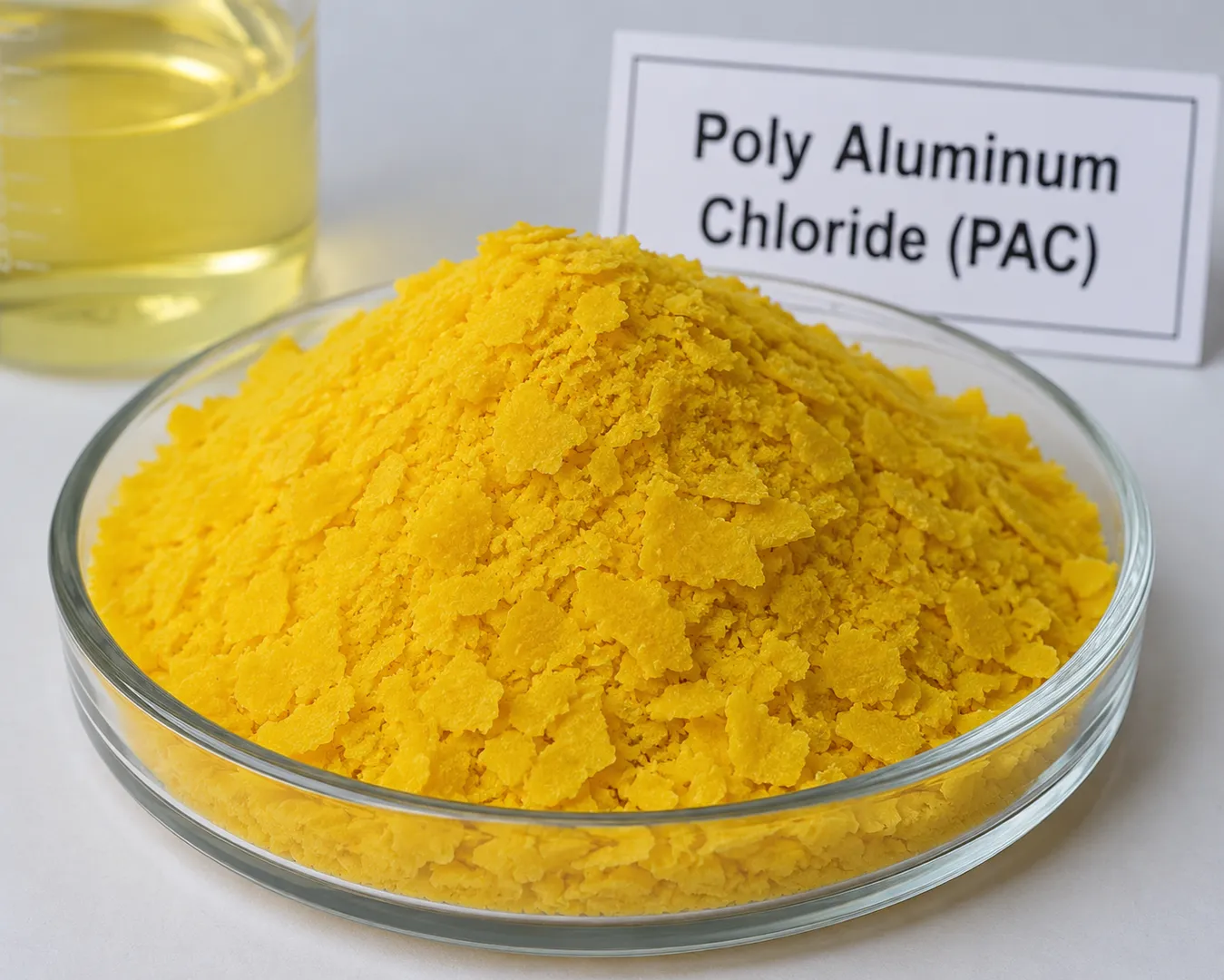
Clean water is essential for industries, municipalities, and commercial facilities. Whether treating drinking water, industrial wastewater, or process water, choosing the right coagulant significantly improves treatment efficiency. Poly Aluminum Chloride (PAC) has become one of the most widely used water treatment chemicals because of its excellent coagulation performance, faster settling, and lower sludge generation compared to many conventional alternatives.
Industries and water treatment facilities in Surat, Gujarat, continue to increase the use of PAC as they focus on improving water quality while maintaining efficient plant operations.
What Is Poly Aluminum Chloride (PAC)?
Poly Aluminum Chloride is an inorganic polymer coagulant used to remove suspended particles, turbidity, organic matter, and certain impurities from water.
It works by destabilizing fine particles that remain suspended in water, allowing them to combine into larger flocs that settle more easily. This process helps improve water clarity and treatment efficiency.
PAC is commonly available in:
- Powder form
- Liquid form
- Industrial grade
- Drinking water treatment grade
The appropriate grade depends on the application and treatment process.
Where Is PAC Used?
Because of its effectiveness, PAC is used across multiple industries.
Common applications include:
- Municipal water treatment plants
- Industrial wastewater treatment
- Textile processing units
- Paper and pulp industries
- Food processing plants
- Chemical manufacturing facilities
- Pharmaceutical industries
- Mining operations
Its versatility makes it one of the preferred coagulants in modern water treatment systems.
Benefits of Using Poly Aluminum Chloride
Faster Floc Formation
PAC reacts quickly with suspended particles, helping reduce settling time and improve operational efficiency.
Lower Sludge Generation
Compared to some traditional coagulants, PAC generally produces less sludge, reducing disposal and handling costs.
Effective Across Different Water Conditions
PAC performs well under varying pH conditions, making it suitable for different treatment environments.
Improved Water Clarity
It efficiently removes suspended solids, resulting in cleaner and clearer treated water.
Cost-Effective Operation
Its higher efficiency often means lower chemical consumption, contributing to overall operational savings.
How to Select the Right PAC
Choosing the right Poly Aluminum Chloride requires evaluating several factors.
Procurement teams should consider:
- Aluminium content
- Basicity level
- Product purity
- Moisture content
- Packaging quality
- Batch consistency
- Storage stability
- Compliance with industry standards
Reliable product specifications help maintain consistent treatment performance.
Storage and Handling Tips
To preserve product quality:
- Store in a cool and dry environment.
- Keep packaging tightly sealed.
- Prevent exposure to moisture.
- Use clean handling equipment.
- Follow all applicable safety guidelines.
Proper storage ensures the product maintains its performance characteristics throughout its shelf life.
Why Supplier Reliability Is Important
Water treatment facilities cannot afford inconsistent chemical quality or delayed deliveries. Variations in product specifications may affect treatment efficiency, while supply interruptions can impact plant operations.
Working with an experienced supplier helps ensure:
- Consistent quality
- Reliable inventory
- Bulk supply capability
- Timely deliveries
- Technical product support
Companies such as Shiv Chemicals supply Poly Aluminum Chloride along with a comprehensive range of industrial and water treatment chemicals. Buyers often refer to the product information available on shivchemicals.org when evaluating suitable grades for municipal and industrial applications.
Final Thoughts
Poly Aluminum Chloride remains one of the most efficient coagulants for modern water treatment systems. Its ability to improve water clarity, reduce sludge generation, and perform effectively across different treatment conditions makes it a preferred choice for industries and municipalities alike. Selecting the correct grade from a dependable supplier helps maintain consistent water treatment performance while supporting long-term operational efficiency.
Keywords