Industrial acids play an essential role in manufacturing, but not every acid is suitable for every application. Choosing the right chemical depends on production requirements, product compatibility, safety considerations, and desired performance. Among the commonly used industrial acids, Phosphoric Acid stands out for its versatility and wide range of applications.
Manufacturers in Ahmedabad, Gujarat, frequently compare Phosphoric Acid with other industrial acids when planning procurement for chemical processing, fertilizer production, food manufacturing, and water treatment.
What Is Phosphoric Acid?
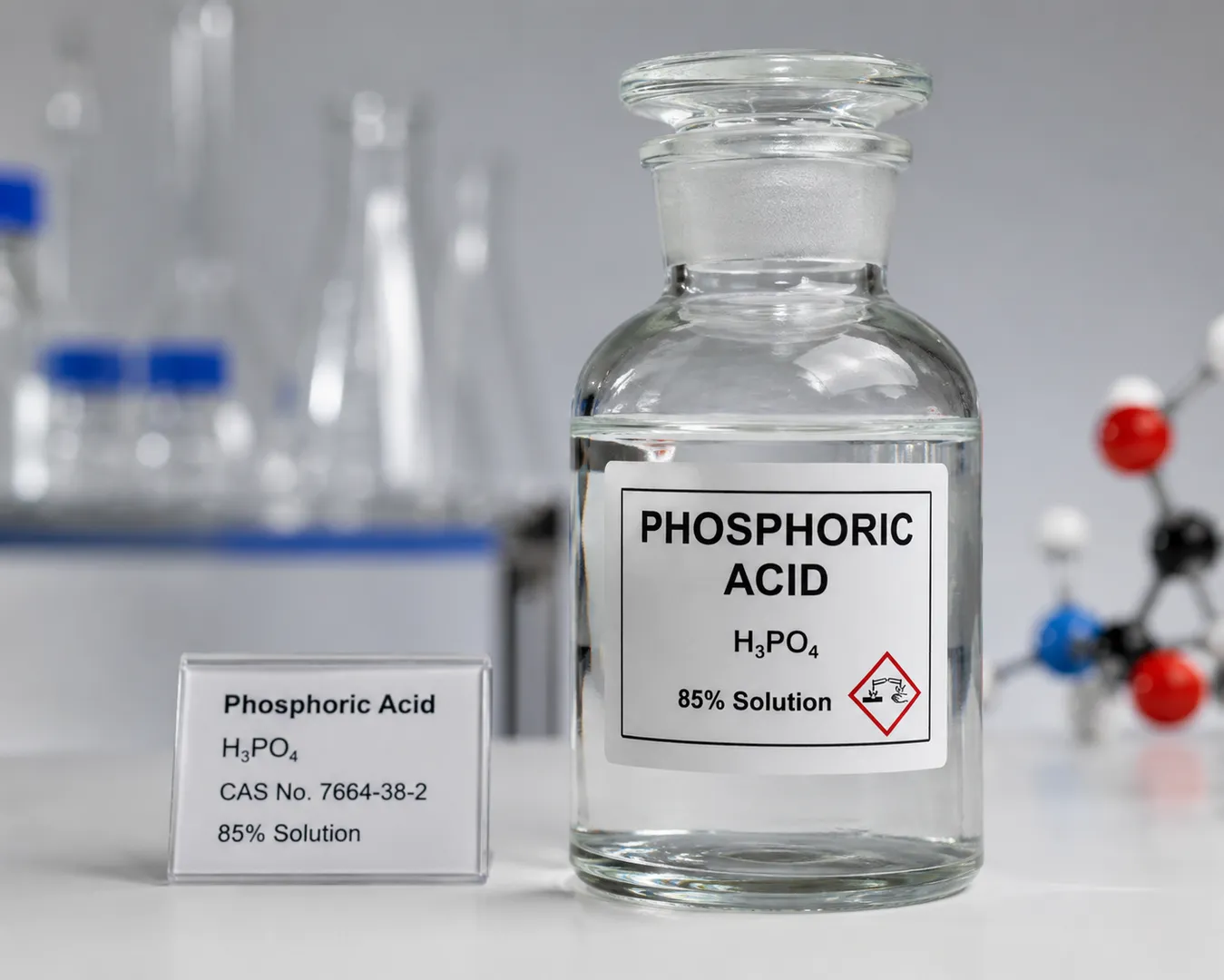
Phosphoric Acid (H₃PO₄) is a mineral acid widely used across industrial sectors. It is available in different concentrations and grades depending on the intended application, including industrial and food-grade variants.
Compared to stronger mineral acids, it offers a balance between chemical effectiveness and handling flexibility.
Common Uses of Phosphoric Acid
Phosphoric Acid is used extensively in:
- Fertilizer manufacturing
- Water treatment
- Food processing
- Beverage production
- Pharmaceutical manufacturing
- Metal surface treatment
- Chemical synthesis
- Cleaning formulations
Its versatility makes it one of the most demanded industrial chemicals globally.
How Does It Compare with Other Industrial Acids?
Corrosion Characteristics
Compared with Hydrochloric Acid, Phosphoric Acid is generally less aggressive in many applications, making it suitable where controlled chemical action is preferred.
Food Industry Compatibility
Unlike many industrial acids, food-grade Phosphoric Acid is approved for specific food and beverage applications under applicable regulations.
Fertilizer Production
Phosphoric Acid serves as an important raw material in producing phosphate-based fertilizers that support agricultural productivity.
Metal Treatment
It is commonly used to remove rust and prepare metal surfaces before coating or painting, helping improve adhesion and finish quality.
Benefits of Choosing Phosphoric Acid
Industrial users often select Phosphoric Acid because it offers:
- Wide application range
- Reliable chemical performance
- Multiple available grades
- Good storage stability
- Compatibility with different industrial processes
Its versatility reduces the need to source multiple chemicals for related applications.
Factors to Consider Before Procurement
When selecting a supplier, procurement managers should evaluate:
- Product concentration
- Purity standards
- Batch consistency
- Packaging quality
- Availability of technical documentation
- Delivery capability
- Regulatory compliance
Consistent product quality helps maintain stable manufacturing operations.
Storage Recommendations
To preserve product integrity:
- Store in tightly sealed containers.
- Protect from excessive heat.
- Keep storage areas dry and well-ventilated.
- Use appropriate handling equipment.
- Follow workplace safety guidelines.
Proper storage extends shelf life and minimizes operational risks.
Why Supplier Reliability Matters
Manufacturing facilities depend on uninterrupted supplies of raw materials. Delays in chemical deliveries can slow production, increase costs, and impact customer commitments.
Working with an experienced supplier ensures consistent inventory, technical support, and reliable logistics throughout the procurement cycle.
Businesses such as Shiv Chemicals supply Phosphoric Acid along with a comprehensive range of industrial chemicals for manufacturers across India and export markets. Technical product information available on shivchemicals.org helps buyers evaluate suitable grades for their manufacturing requirements.
Final Thoughts
Phosphoric Acid remains one of the most versatile industrial chemicals available today. Its broad application range, dependable performance, and availability in multiple grades make it suitable for industries ranging from agriculture to food processing and chemical manufacturing. Choosing the right supplier ensures consistent quality, timely delivery, and long-term operational reliability.
Keywords