Aluminium sulphate is not interchangeable with ammonium persulfate, and its treatment performance depends on hydrate form, dose, alkalinity and pH. By the end, you can distinguish commercial grades, plan a jar test, compare alum with other coagulants and judge whether its sludge, sulphate and residual-aluminium effects suit a water or industrial process.
Key takeaways
- Use a jar test to set alum dose before full-scale treatment.
- Control pH because alum hydrolysis changes acidity and floc formation.
- Check sludge volume and residual aluminium before choosing alum.
- Compare alum with ferric salts, PAC, and blends for your water chemistry.
What aluminium sulphate is and how it forms treatment floc
Aluminium sulphate is the aluminium salt dosed as a coagulant in water treatment. The aluminium sulfate formula for the anhydrous compound is Al2(SO4)3. Commercial material is also sold as hydrated solid or solution; a common hydrate range is Al2(SO4)3·14–18H2O.
Because water of crystallisation adds mass without adding aluminium sulphate, a kilogram of hydrated product is not equivalent to a kilogram of anhydrous salt or Al2O3.
Once dissolved, aluminium sulphate hydrolyses in water and produces positively charged aluminium species. These species neutralise the electrical charges that keep fine clay, organic matter and other colloids suspended. The reaction also forms gelatinous aluminium hydroxide, Al(OH)3, which grows into treatment floc.
The floc captures destabilised particles through sweep flocculation, so alum does not simply make dirt heavier and wait for it to settle. Rapid mixing disperses the dose; gentle flocculation lets the aluminium hydroxide network grow before sedimentation and filtration remove it.
The reaction consumes alkalinity and can lower pH, which affects how much useful floc forms.
Too much alum can restabilise particles, leave dissolved aluminium, increase sulfate and create weak, poorly settling floc. Judge the dose by settled-water turbidity and filtered-water aluminium, not by floc size in the rapid-mix basin alone.
How to set alum dose, pH and the treatment sequence
Turn raw-water conditions into an alum dose through jar testing, not a fixed grams-per-litre rule. The workable point depends on turbidity, colour, dissolved organic matter, alkalinity, temperature and the treatment target.
1. Test the raw water for turbidity, colour, pH, alkalinity, temperature and organic load. Record the aluminium sulphate basis: commercial hydrated grades such as Al2(SO4)3·14–18H2O are not equivalent by mass to anhydrous aluminium sulfate or an Al2O3-based specification.
2. Prepare several alum doses around the plant’s current dose, then test pH adjustments across roughly 5.5–7.5. Include polymer only if the process uses it, because polymer can change floc size and settling independently of alum.
3. Apply each dose with rapid mixing at the plant’s actual intensity and contact time. Follow it with gentle flocculation, then sedimentation, and compare settled-water turbidity, floc strength and settling speed rather than choosing the largest visible floc.
4. Select the lowest dose that consistently meets the settled-water target without excessive pH depression, residual aluminium or sulfate. Check alkalinity after dosing; add lime or sodium hydroxide when alum consumption leaves the water below the operating pH, and add alkalinity before coagulation when the raw water lacks buffering capacity.
5. Confirm the selected dose through filtration and measure filtered-water turbidity plus dissolved and total aluminium. A jar result can look good while short flocculation, poor sedimentation or filter breakthrough leaves aluminium in finished water. Re-run the test after major changes in storm runoff, temperature, colour or organic load.
When alum improves water treatment—and when it creates new problems
Alum improves treatment when it reduces settled-water turbidity and colour without leaving excessive residual aluminium, sulphate, or a large sludge burden. A bigger floc in the rapid-mix basin proves little if it breaks apart during settling or causes filtered-water quality to deteriorate.
Compare the choice against these operating outcomes:
| Measure | Benefit to confirm | Problem to watch for |
|---|---|---|
| Turbidity and colour | Lower settled and filtered values | Restabilised particles after overdosing |
| pH and alkalinity | Stable coagulation conditions | Depressed pH after alum consumes alkalinity |
| Aluminium | Low dissolved and total residual aluminium | Poor pH control, short flocculation, or filter breakthrough |
| Sulphate | Acceptable finished-water concentration | Higher residual sulphate from excessive dose |
| Sludge | Dense, settleable solids | Bulky aluminium hydroxide sludge that is hard to thicken and dewater |
Overdosing can reverse the result: excess dissolved aluminium or positively charged hydrolysis products can restabilise colloids and produce poorly settling floc. Test both settled-water turbidity and filtered-water aluminium; floc size alone is not a performance measure.
Assess sludge disposal before selecting the dose. Hydrated aluminium hydroxide sludge contains substantial water, and its apparent volume does not show how much contaminant it removed. Check local leachability limits, receiving-facility acceptance, and compatibility with other sludge streams.
For phosphorus removal, include the extra chemical sludge and the greater difficulty of phosphorus recovery compared with biological phosphorus removal.
How alum compares with ferric salts, PAC and blended coagulants
Choose based on the limiting constraint, not turbidity alone. Alum fits water with adequate alkalinity and a controllable pH; low-alkalinity water may require lime, caustic soda or sodium bicarbonate, adding equipment and chemical handling.
| Coagulant | pH and treatment behaviour | Sludge, storage and best fit |
|---|---|---|
| Alum | Stronger dependence on pH and alkalinity; reliable floc when those conditions are controlled | Hydrated solid or solution; useful where sulfate and moderate sludge production are acceptable |
| Ferric salts | Ferric chloride and ferric sulfate work across a broader pH range in some waters and can improve colour or phosphate removal | Ferric sludge may settle or dewater differently; ferric chloride needs corrosion-resistant storage and dosing equipment |
| Polyaluminium chloride (PAC) | Pre-hydrolysed species usually consume less alkalinity and cause a smaller pH drop than alum | Liquid storage is required; product basicity and formulation control performance, so do not compare kilograms directly with alum |
| Blended coagulants | Combine aluminium or iron chemistry with polymers or other aids to improve floc strength and settling | Useful when one chemical cannot meet pH, settling and sludge targets, but storage and dose depend on the formulation |
PAC is not automatically cheaper or better. Run comparative jar tests using settled turbidity, filtered-water aluminium, colour, phosphate, sludge volume and dewaterability. Include cold-water tests and measure the final pH; a large floc in the rapid-mix basin can still produce poor settling.
Where aluminium sulphate is used beyond conventional water treatment
- Wastewater plants dose alum for phosphorus removal. It converts soluble phosphate into aluminium-phosphate species and captures phosphorus in aluminium hydroxide solids. The trade-off is more hydrated chemical sludge, harder dewatering, and less convenient phosphorus recovery than biological phosphorus removal.
- In papermaking, alum historically worked with rosin sizing in acidic systems, while its cationic aluminium species also support retention and pitch control. Neutral or alkaline furnishes with synthetic sizing often need less alum, so confirm that the mill’s pH, furnish and retention program justify its use.
- Textile processors use alum as a textile mordant or fixing aid for selected dyes. Aluminium hydroxide or aluminium–dye complexes help bind colour to fibres, but results depend on fibre type, dye class, bath pH and competing metal ions; aluminium-bearing effluent then needs assessment.
Specify these points before ordering:
- Chemical identity: aluminium sulfate, Al2(SO4)3, or the hydrated grade, such as Al2(SO4)3·14–18H2O.
- Physical form and assay basis: liquid or solid, concentration, Al2O3 content, moisture and insoluble matter.
- Impurity limits: iron, free acidity and metals that could affect dye shade, paper brightness or effluent discharge.
- Documents: batch number, certificate of analysis, safety data sheet and storage conditions.
If you buy through Shiv Chemicals, ask it to confirm the formula and assay on the certificate rather than relying on a catalogue label. Also calculate added sulphate: coagulation will not remove it, so high doses can raise dissolved solids in reuse water or boiler feed.
Related product
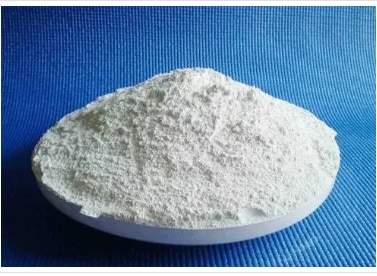 | SULPHATE persulfate (APS) is the inorganic compound with the formula (NH4)2S2O8. View product → |
Frequently asked questions
How does aluminium sulphate form floc in water treatment?
Aluminium sulphate hydrolyses in water, forming aluminium hydroxide particles that capture suspended matter as they collide and settle into floc.
How do you set the alum dose and treatment sequence?
Run a jar test across several alum doses, measure pH and settled-water clarity, then use rapid mixing, flocculation, settling, and filtration in sequence.
When can alum create problems in water treatment?
Alum can lower pH, increase sludge production, and leave residual aluminium when the dose or operating conditions do not match the water chemistry.
How does alum compare with ferric salts and PAC?
Ferric salts suit different pH and contaminant conditions, while polyaluminium chloride and blended coagulants can reduce dose or improve floc performance; compare them through jar testing.